How stone cladding can improve street appeal
Street appeal is one of the first things people notice about a property. Whether it is a family home, investment property, commercial building, or rural entrance, the way a property presents from the street can shape a visitor’s impression before they even step inside.
Stone cladding is a practical and attractive way to lift that first impression. It adds texture, depth, natural colour, and a more finished look to walls, entrances, facades, retaining walls, and outdoor features. When installed well, it can make a property feel more established, more refined, and better connected to its surroundings.
For Queensland properties, where outdoor presentation, heat, rainfall, landscaping, and durable materials all matter, stone cladding can be a smart design choice. It offers a natural look while helping plain surfaces become stronger visual features. Here is how stone cladding can improve street appeal and what to consider before starting a project.
It creates a strong first impression
The front of a property sets the tone for everything that follows. A plain block wall, rendered surface, or basic entry can still be functional, but it may not create the kind of visual impact that makes a property stand out. Stone cladding changes that by giving the entry or facade a more considered and high-quality appearance.
Natural stone textures immediately add character. The variation in colour, shape, and finish creates visual interest that flat surfaces often lack. Even a small section of cladding around a front entrance, mailbox, boundary wall, or feature column can make the property feel more complete.
This is especially useful for homes and businesses that need a stronger street presence without rebuilding the entire exterior. Stone cladding can be used strategically to highlight key areas, guide the eye, and create a more memorable arrival point.
It adds natural texture and depth
One of the main reasons stone cladding improves street appeal is the texture it brings to a property. Smooth render, concrete, brick, and painted surfaces can look neat, but they sometimes feel flat or plain from the street. Stone introduces shadow, pattern, and depth, which makes the exterior more visually engaging.
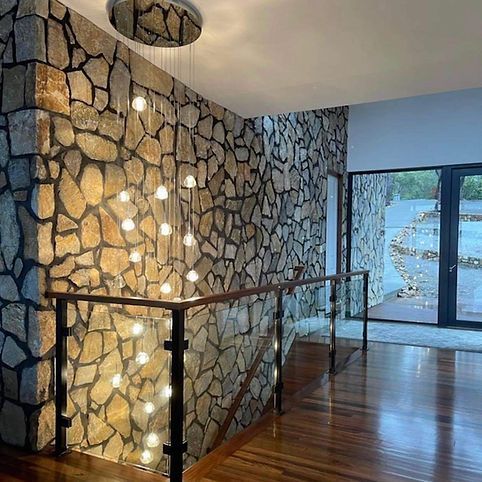
Depending on the stone type and installation style, cladding can create a modern, rustic, coastal, rural, or architectural look. A clean linear stone can suit contemporary homes, while a more irregular natural stone may work beautifully on acreage properties, garden walls, and landscape features.
Texture also helps exterior areas feel warmer and more grounded. In bright Queensland sunlight, stone can create subtle contrast and shadow that gives a facade more dimension throughout the day.
It highlights key features without overwhelming the property
Stone cladding does not need to cover an entire building to make an impact. In many cases, the best results come from using it as an accent material. A feature wall, entry pier, stair face, retaining wall, outdoor fireplace, or facade section can be enough to transform the look of the property.
Using stone in selected areas helps avoid visual clutter while still giving the exterior a premium finish. It can draw attention to the front door, frame a driveway entrance, or create a strong base for signage on commercial or rural properties.
This makes cladding a flexible option for property owners who want a noticeable upgrade without taking on a full exterior renovation. The key is choosing the right location, stone colour, and installation style so the feature feels intentional and balanced.
It complements landscaping and outdoor areas
Street appeal is not just about the building itself. Landscaping, driveways, paths, retaining walls, gardens, and entry features all work together to create the overall impression. Stone cladding can connect these elements by bringing a natural material into the design.
For example, a stone-clad retaining wall near the front garden can visually link the house to the landscape. A clad entry column can match garden edging, rockwork, or surrounding natural stone features. This creates a more cohesive look across the front of the property.
Stone also pairs well with timber, concrete, render, steel, glass, and planting. This makes it suitable for both modern and traditional designs. With the right planning, it can soften hard surfaces and help the property feel more settled in its environment.
It can make older or plain surfaces look new again
Many properties have structurally sound walls or exterior areas that simply look tired, dated, or unfinished. Stone cladding can help refresh these surfaces without necessarily removing or rebuilding them completely, depending on the condition and suitability of the existing structure.
This can be particularly useful for front retaining walls, rendered walls, garden borders, blockwork, entrance pillars, and exterior feature areas. Instead of repainting a plain surface again and again, cladding can provide a more substantial visual upgrade.
Before installation, the surface needs to be assessed properly. It must be suitable to support the cladding system, and preparation is important for adhesion, drainage, and long-term performance. A professional installation helps ensure the final result is not only attractive but also durable.
It supports a higher-quality property image
Street appeal can influence how people perceive the care, quality, and value of a property. A well-finished exterior suggests that the property has been planned and maintained with attention to detail. Stone cladding contributes to that impression because it feels solid, permanent, and carefully selected.
For residential properties, this can make the home feel more welcoming and complete. For commercial sites, it can make the frontage look more professional and established. For rural or acreage properties, stone features can create a strong, natural entrance that suits the scale of the land.
While street appeal is partly about appearance, it is also about confidence. A clean, durable, well-executed stone feature can give visitors, buyers, tenants, or clients a stronger sense of trust in the property.
It offers durable appeal for Queensland conditions
Queensland properties often need materials that can handle sun, rain, humidity, storms, and outdoor exposure. Stone cladding can be a durable option when the right product, substrate, fixing method, and installation process are used.
The performance of cladding depends on more than the stone itself. Surface preparation, drainage, waterproofing where needed, adhesive selection, mechanical fixing where appropriate, and correct finishing all play a role in how the installation performs over time.
Because outdoor conditions can vary across coastal, rural, and urban locations, it is important to choose a cladding approach that suits the specific site. A stone feature on a protected entrance may have different requirements from a retaining wall, boundary wall, or exposed facade.
It gives the property a more custom look
One of the most appealing things about stone cladding is that no two installations look exactly the same. The natural variation in stone gives each project its own character. This can help a property stand out from neighbouring homes or standard commercial frontages.
Stone choice can also be tailored to the style of the property. Lighter stone can create a bright coastal feel, darker stone can add drama and contrast, and earthy tones can suit rural or landscaped settings. The layout pattern, joint style, and placement all contribute to the final look.
This level of customisation makes stone cladding a strong choice for property owners who want an exterior feature that feels personal, natural, and long-lasting rather than generic.
Speak to A-Line Projects about stone cladding today
Stone cladding can improve street appeal by adding texture, depth, character, and a more polished finish to the front of a property. It can highlight entrances, refresh plain walls, connect buildings with landscaping, and create a stronger first impression from the street.
The best results come from thoughtful planning. The right stone, location, surface preparation, fixing method, and installation quality all matter. A small feature in the right place can often be more effective than using too much stone without a clear design purpose.
A-Line Projects works on stone cladding, gabions, stone pitching, and related stonework projects across Queensland. If you are looking to improve your property’s street appeal with a durable natural stone finish, get in touch with the team to discuss your site, design ideas, and project requirements.